
Hiking
6-Day High Atlas Mountains Discovery Trek
Experience: Beginner, Improver
From £490
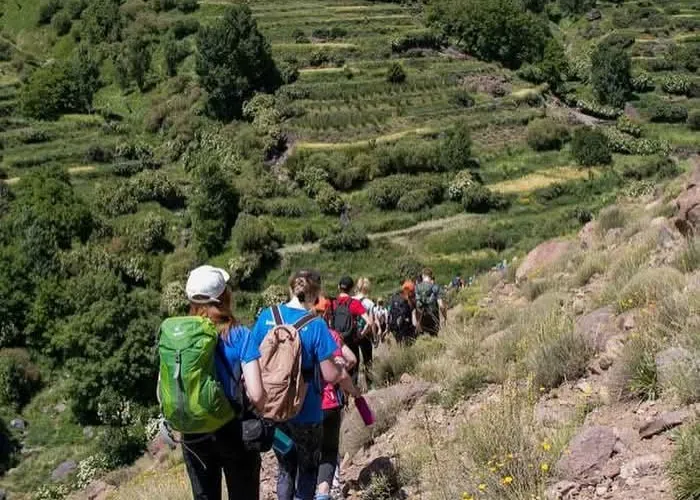
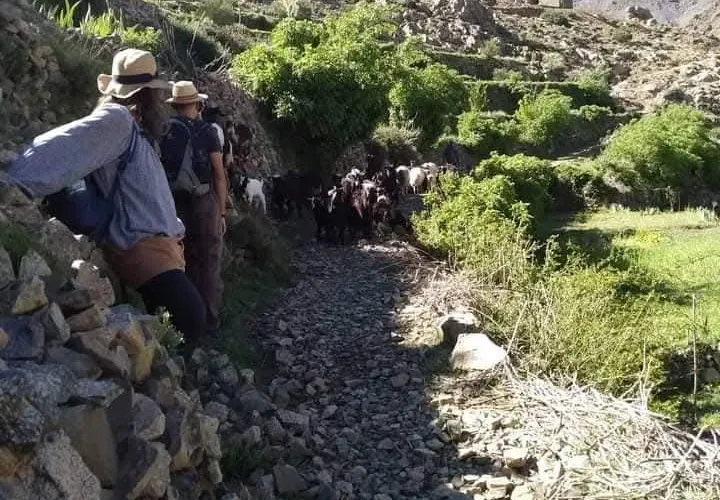
Highlights
Visit Morocco and witness the beauty of the High Atlas Mountains through a remarkable six-day trekking adventure. This journey offers a unique opportunity to immerse yourself in the region's spectacular landscapes, rich culture, and the warmth of its local communities. From the serene valleys to the majestic peaks, every moment spent in this enchanting environment is sure to leave a lasting impression.
Key Details
- Duration: 6 Days
- Location: High Atlas Mountains, Morocco
- Physical Fitness: Moderate to high fitness level recommended
Itinerary
Your trek begins on Day 1 with a scenic transfer from Marrakech to Imlil village, where your adventure starts. After passing through the charming villages of Ait Souka and Tamarert, you will ascend to Tizi n’Tmatert pass at 2,370m. The day's trek is approximately 5 hours, culminating in the last high village of Techdert for an overnight stay.
On Day 2, prepare for an exciting climb to Tizi Likmet pass at 3,600m, where the panoramic views of the Atlas Mountains will take your breath away. Descending to the nomadic village of Azzib Likmet, you will witness the daily lives of the Berber people. You will camp in tents for the night after approximately 6 hours of walking.
Day 3 starts with a morning trek through the Aworay valley, encountering Berber nomads along the way. Ascending to the Ouray pass, enjoy amazing views of Oudman valley and the iconic Toubkal peak. You will then descend, passing through Tagnit village, and stay overnight in Amesouzart village after a 6-hour trek.
On Day 4, the hike leads you to the scenic Lake Ifni, where you can enjoy a leisurely lunch by the water. This day is shorter, allowing for some relaxation and possibly a refreshing swim, covering approximately 3 hours of walking.
Day 5 takes you to the Toubkal Refuge, where you will ascend to Tizi Wanoumse pass at 3,600m. The trek brings you into Toubkal valley, where the base camp awaits at 3,207m, taking around 6 hours to complete.
Finally, on Day 6, rise early for the challenging ascent to Toubkal, the highest peak in North Africa at 4,167m. Witness the beautiful sunrise and gorgeous views across the Sahara, High Atlas, and Anti-Atlas ranges. After an unforgettable experience at the summit, you will descend back to Imlil and transfer back to Marrakech, with the day's trek taking approximately 8 to 9 hours.
Location
The High Atlas Mountains are situated in central Morocco, spanning from the Atlantic coast in the west to the Algerian border in the east.
This region is characterised by dramatic landscapes, from soaring peaks to verdant valleys, offering a serene backdrop for trekking enthusiasts and nature lovers alike.
Prerequisites
While this trek is accessible to individuals with a moderate level of fitness, participants should be prepared for varied weather conditions and high-altitude hiking.
It is advisable to be acclimatised to higher elevations to avoid altitude sickness, as you will be trekking at altitudes exceeding 3,000m. Previous hiking experience is beneficial, and participants should be comfortable walking for several hours each day.
Why Choose Us
Our experienced team is passionate about revealing the beauty and diversity of Morocco to adventurers from around the globe. Founded by a group of friends united by a love for travel, our agency is dedicated to providing exceptional trekking experiences that highlight the natural splendour and cultural richness of this remarkable country.
With renowned routes, including the iconic Toubkal peak and traditional Berber villages, you will have the chance to fully engage with local communities and amazing landscapes. Our commitment to personalised service ensures that your adventure is tailored to your needs, whether you're seeking a trek through the mountains or a journey into the Sahara Desert. Let us help you create unforgettable memories in the heart of Morocco.
What's included
- Round-trip transportation between your accommodation in Marrakech and the trek
- Expert English-speaking guide
- Berber cook to prepare meals
- All meals during the trek
- Accommodation in the Atlas Mountains
- Mules and muleteers to carry luggage
What's not included
- Personal expenses
- Travel insurance
- Soft and alcoholic drinks
- Transport to and from the meeting point
FAQs
What is the best time of year to undertake the trek?
The ideal time for trekking in the High Atlas Mountains is between March and October. During these months, the weather is typically mild, with daytime temperatures ranging from 15°C to 25°C (59°F to 77°F).
Spring (March to May) is particularly beautiful, as the valleys are lush and green, and wildflowers bloom.
Summer (June to August) can be warmer, but the higher altitudes provide cooler conditions. Autumn (September to October) also offers pleasant weather, but temperatures start to drop, especially in the evenings.
Winter trekking is possible, but it requires more advanced skills and equipment due to snow and ice.
How fit do I need to be to participate in the trek?
A moderate level of fitness is recommended for this trek. Participants should be comfortable walking for 5 to 9 hours daily over varied terrain, including ascents and descents.
It is beneficial to have some prior hiking experience, especially in mountainous areas.
To prepare, consider engaging in regular cardiovascular exercises, such as walking, jogging, or cycling, in the weeks leading up to your trip. Strength training, particularly for your legs and core, can also enhance your endurance and stability during the trek.
What should I pack for the trek?
Packing appropriately is crucial for a successful trek. Essential items include:
- Clothing: Layered clothing suitable for variable weather conditions (base layers, insulating layers, and waterproof outer layers). A warm hat, gloves, and a buff are also recommended for colder evenings.
- Footwear: Sturdy, waterproof hiking boots with good ankle support.
Accessories: A sun hat, sunglasses, and sunscreen to protect against UV rays. A headlamp or flashlight is essential for navigating in low light. - Hydration: A refillable water bottle and possibly a hydration system. Water purification tablets or filters may also be useful.
- First Aid Kit: A small kit containing essentials like band-aids, antiseptic wipes, pain relief medication, and any personal medications.
- Other Items: Snacks, a small backpack for daily essentials, and trekking poles for additional support.
Will I have access to electricity during the trek?
Access to electricity is limited during the trek. Most overnight stays in Berber villages will not have power.
However, the Toubkal Refuge may have solar power or generators for charging devices. It is advisable to bring power banks to charge your electronics before and after trekking days.
Ensure that you fully charge your devices before starting the trek, as power sources are not always guaranteed.
Is food provided during the trek, and what can I expect?
Yes, all meals during the trek are provided. You can expect a variety of traditional Moroccan dishes, including tagines, couscous, and fresh salads, along with plenty of bread.
Breakfast typically includes bread, jam, honey, and tea or coffee, while lunches consist of packed meals like sandwiches and fruits.
Dinner will feature hearty meals prepared by your Berber cook. Special dietary requirements can usually be accommodated if notified in advance, so it is essential to inform us of any allergies or preferences when booking.
What kind of accommodation will I have during the trek?
Accommodation during the trek includes a mix of tent camping and stays in local Berber villages. Tents will be provided for camping nights, and you will have basic amenities.
In villages, accommodations may vary, but you can expect a warm and welcoming atmosphere, typically with shared facilities. Sleeping arrangements may include mattresses or sleeping bags provided by the trekking service.
Bring your own sleeping bag to ensure comfort.
Are there any cultural considerations I should be aware of?
The High Atlas Mountains are home to indigenous Berber communities with distinct customs and traditions. It is essential to respect local customs, particularly when visiting villages.
Always ask for permission before taking photographs of people or their homes. Dressing modestly is advisable, especially for women, to show respect for local culture. Engage politely with the locals, and be open to learning about their way of life, which can enhance your trekking experience.
Reviews
What travellers say
“We had a great time with Mohammed as our guide. Omar arranged a last minute booking, got us crampons and let us know what we needed for the big hike. Transport from Marrakech to Imlil was good. We were picked up from where we requested and dropped us off at the busstop.”
“Very well organised. Ibrahim was an amazing guide and in my opinion he was much better than other guides I seen. I felt safe throughout the hike and we made it up nice and early for the sunrise. 10/10 would recommend! Conor”
“I had an amazing time with Omar brilliant guide and wealth of knowledge on the mountains. Couldn't have done anymore for me Brilliant”