Hiking
5-Day Berber Villages And Toubkal Trek – Hiking in Morocco
Experience: Beginner, Improver
From £407
Highlights
Venture on an unforgettable five-day trip through the wonderful landscapes of Morocco, where you will immerse yourself in the rich culture of traditional Berber villages and conquer the highest peak in North Africa. This trekking experience offers beautiful views, warm hospitality, and a chance to engage with local communities, all while surrounded by the magnificent High Atlas Mountains.
Key Details
- Duration: 5 days
- Location: High Atlas Mountains, Morocco
- Fitness Level: Moderate
What to Expect/Itinerary
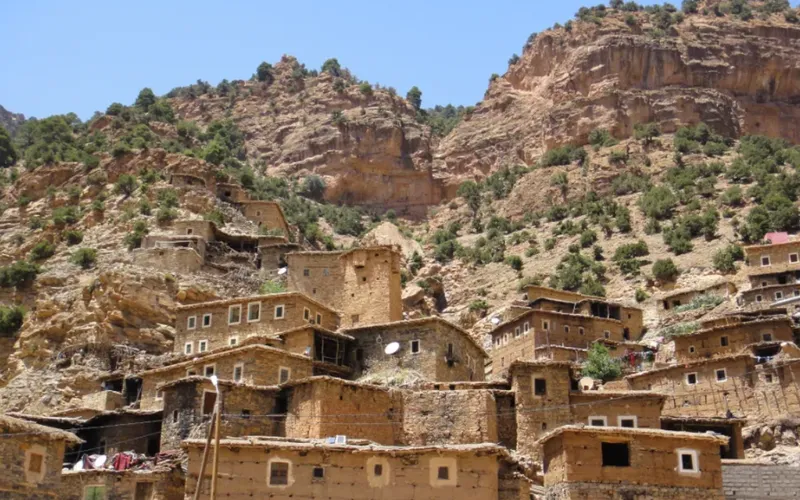
Day 1: Your journey begins with a pick-up from your hotel or the airport in Marrakech, followed by a scenic drive to Imi-Oughlad (1500m). As you set off on foot, you'll cross through the charming village of Ait Ali, making your way to Tizi n’Tachet (2000m). Here, you'll enjoy panoramic views of the Imlil and Azzaden valleys before savouring a delightful lunch beneath the shade of juniper trees. The day concludes as you descend into the village of Ait Aissa, covering approximately five hours of trekking.
Day 2: The adventure continues as you leave Azzaden Valley, crossing the last and oldest village of the area. Before reaching Tizi Mzik Pass (2500m), a brief detour allows you to visit the Berber nomad area and the amazing Tamsoult Waterfall. After lunch at the pass, you'll descend to the highest village in Imlil Valley (2000m), where you will spend the night, completing around six hours of walking for the day.
Day 3: After a hearty breakfast, you'll depart from Aroumd, following the mountain path to Sidi Chamharouch, known for its captivating shrine. After enjoying mint tea in this peaceful area, the trek continues upwards to the Toubkal Refuge, which takes about five hours to reach.
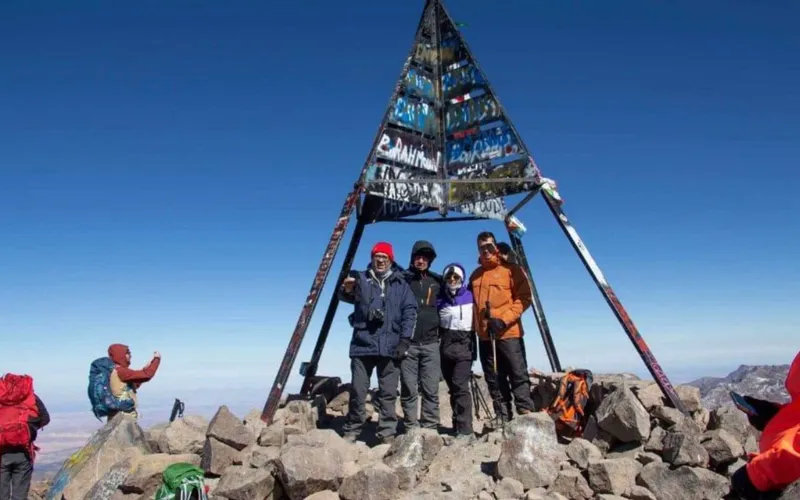
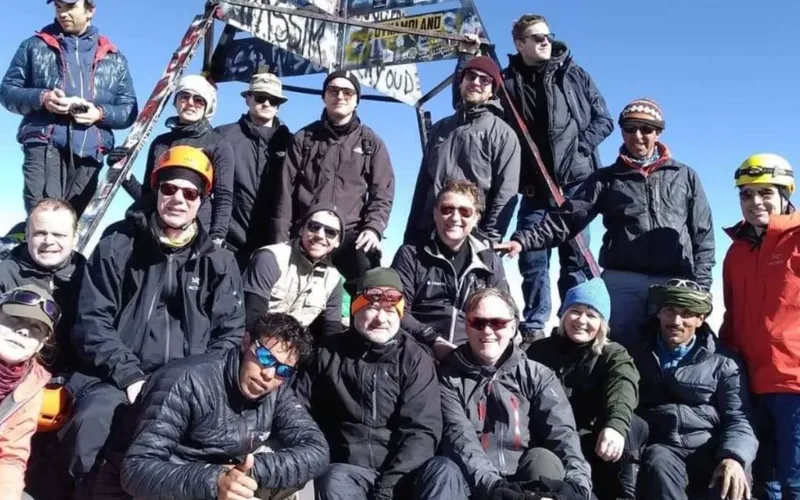
Day 4: Rising early, you will begin your ascent of Toubkal Summit (4,167m), the pinnacle of your trek. This challenging hike rewards you with breathtaking views at sunrise, revealing the Sahara, High Atlas, Anti-Atlas, and the valleys below. If time permits, you may also tackle the western summit of Toubkal (4,030m) before descending back to the Refuge for an overnight stay, covering approximately five hours in total.
Location
The High Atlas Mountains are a striking range located in central Morocco, stretching from the Atlantic coast in the west to the Algerian border in the east. Renowned for their dramatic scenery and vibrant local culture, these mountains offer an ideal backdrop for trekkers seeking adventure and beauty.
The area is home to diverse wildlife, unique flora, and traditional Berber communities, making it a rich environment for exploration.
Prerequisites
This trekking experience is designed for participants with a moderate level of fitness. While previous trekking experience is advantageous, it is not mandatory. The altitude of Toubkal can pose a challenge, so individuals should be aware of the risks associated with altitude sickness.
It is advisable to consult with a healthcare provider before undertaking high-altitude treks. Proper preparation, including physical conditioning and acclimatisation, will enhance your experience.
Why Choose Us
Our agency was founded by a group of friends who shared a common love for travel and a desire to share the wonders of Morocco with others. Morocco is a top destination worldwide, drawing many travellers who seek adventure vacations. Visitors come from all corners of the globe to experience its magnificent mountain ranges, breathtaking scenery, rich history, and welcoming communities.
We provide exceptional trekking experiences, featuring the renowned Toubkal peak, Berber villages, and valleys that offer an opportunity to immerse yourself in the generosity of these communities and the gorgeous landscapes. Our expert guides ensure your safety and enjoyment while providing valuable insights into the local culture and environment. No matter what you choose, an incredible adventure awaits you in Morocco.
What's included
- Round-trip transportation between Marrakech and the trek
- Expert English-speaking guide
- Berber cook for meal preparation
- All meals during the trek
- Accommodation in the Atlas Mountains
- Mules and muleteers to carry your luggage
What's not included
- Personal expenses
- Travel insurance
- Soft and alcoholic drinks
- Transport to and from the meeting point
FAQs
What should I pack for the trek?
Packing for the trek requires consideration of the varying weather conditions in the High Atlas Mountains. Essential items include:
- Good-quality hiking boots
- Warm layers for evenings, such as fleece or down jackets
- Waterproof clothing (jacket and trousers)
- A hat, sunglasses, and sunscreen to protect against sun exposure
- A headlamp for early morning starts
- A reusable water bottle to stay hydrated
- A small first aid kit containing personal medications
- Snacks for energy during the trek
What fitness level is required for this trek?
Participants should possess a moderate level of fitness, as the trek includes steep ascents, descents, and varying terrain.
While previous trekking experience is beneficial, it is not essential.
It's recommended that individuals engage in regular cardiovascular exercise and practice hiking prior to the trip to prepare for the physical demands of the journey.
What kind of meals can I expect?
Meals are prepared by a Berber cook, featuring traditional Moroccan cuisine. Expect hearty dishes such as tagine, couscous, and fresh salads, as well as bread and fruit.
Breakfast typically includes bread, jam, tea, and sometimes eggs. Lunches are often picnics with bread, salads, and local cheeses, while dinner consists of a warm main course followed by dessert.
Dietary restrictions can usually be accommodated with prior notice.
How do you ensure the safety of participants during the trip?
Safety is our top priority. Our expert guides are trained in first aid and familiar with the terrain and weather conditions. They continuously monitor the group's pace and health, ensuring that everyone is comfortable and acclimatising properly.
We advise participants to listen to their bodies and communicate any concerns with the guide immediately. Additionally, we provide emergency equipment, including first aid supplies.
Are there any risks associated with high altitude?
Yes, altitude sickness can affect individuals at higher elevations, particularly above 2,500m.
Symptoms may include headache, nausea, fatigue, and difficulty sleeping. It is vital to acclimatise gradually and stay hydrated.
If you experience severe symptoms, our guides are trained to assess the situation and may recommend descending to a lower altitude.
Participants should consult a healthcare provider before the trek if they have concerns about altitude sickness.
Will I have access to communication and electricity?
During the trek, access to mobile phone signals and electricity may be limited, especially in remote areas.
Most villages have minimal connectivity, and charging facilities may not be available. It’s advisable to charge devices fully before starting the trek and consider bringing a power bank for essential devices.